Dental cleansings stimulate a lot more mythology than they are worthy of. I listen to versions of the exact same problems every week: cleansings hurt, they scrape away enamel, whitening becomes part of a cleaning, flossing before your visit hides the reality, and the twist, if absolutely nothing injures you can skip a see. These ideas keep people away until a small problem ends up being an urgent one. An excellent cleansing is tranquil, methodical, and focused on avoidance. It lasts under an hour most of the times and leaves you with less troubles down the road.
I have actually treated individuals who stayed clear of the chair for several years due to one rough experience, just to find that techniques and tools have altered a whole lot because that memory. Much more important, a thoughtful hygienist adjusts the technique to your mouth, not the other way around. Pain is not an inescapable final thought. Let's separate fact from fiction and go through what in fact happens, begin to complete, and why it matters despite your age, dental implant status, or sensitivity.
What a cleansing actually is
A dental cleansing is preventative treatment. The objective is to eliminate soft plaque and solidified tartar, interfere with bacterial nests listed below the gumline, and polish surface areas so brand-new plaque has a harder time sticking. The visit also evaluates for oral cancer, tooth cavities, gum disease, cracked fillings, and modifications in bite or jaw feature. It is less regarding making teeth look glossy and a lot more about keeping the entire oral system stable.
Plaque constructs in hours, tartar in days. As soon as plaque mineralizes on the tooth, cleaning does not remove it. Consider tartar like barnacles on a boat hull, small in the beginning, then layered and stubborn. Left in position, it maintains the gum tissues inflamed, and inflamed periodontals open the door for germs to access the supporting ligaments and bone. That is how gum tissue disease begins, and it progresses quietly in many people. The hygienist's work disrupts that cycle at a stage when whatever is still reversible.
Myth 1: Cleansings are painful by default
Pain is not the rate of admission. Experience depends upon the health and wellness of your gum tissues, the amount of accumulation, your general pain threshold, and the method your clinician utilizes. In a mouth with moderate tartar and moderate swelling, most patients define the feeling as pressure and scratching, not discomfort. If you have locations of economic downturn, revealed origin surfaces can be conscious temperature level and touch. That is manageable.
Modern hygiene check outs make use of a number of devices to reduce irritation. Ultrasonic scalers shake at high frequency to chip away tartar while purging the area with water. The pointers are slim and allow a mild approach along the gumline. Hand tools refine sides where needed. Topical numbing gel can aid in local spots, and for patients that really feel distressed or have generalised sensitivity, light neighborhood anesthesia or nitrous oxide makes the go to comfy. If a clinician senses you are tensing up, they can decrease and alter tactics. A professional center, whether a general Dental professional or Cosmetic dental professional setting, values convenience as component of scientific high quality. If you are looking for a dentist near me and comfort is high up on your listing, ask about these alternatives prior to you book.
Myth 2: Scraping problems enamel
I hear this a great deal, specifically from adults that feel the gritty drag of a scaler and think tooth is being shaved away. Enamel is harder than steel on the Mohs range. Instruments scrape calculus, not enamel. The audio and resonance make it appear a lot more remarkable than it is. A skilled hygienist angles the idea to involve the side of tartar so it exfoliates, leaving the surface area undamaged. If you have actually bound dental fillings, veneers, or an oral implant crown, the clinician transforms the tool and force to protect those surfaces.
Where caution issues gets on revealed origin surfaces. Cementum and dentin are softer than enamel. Hostile technique below could produce a notch in time, which is why technique and training are very important. In a well-run oral facility, you will see hand tools in great condition and tips developed for particular tasks. It is another reason to avoid jumping in between discount cleansings that rush the procedure. Regular care at a method that values instrumentation and proceeding education and learning goes a long way.
Myth 3: Whitening belongs to a cleaning
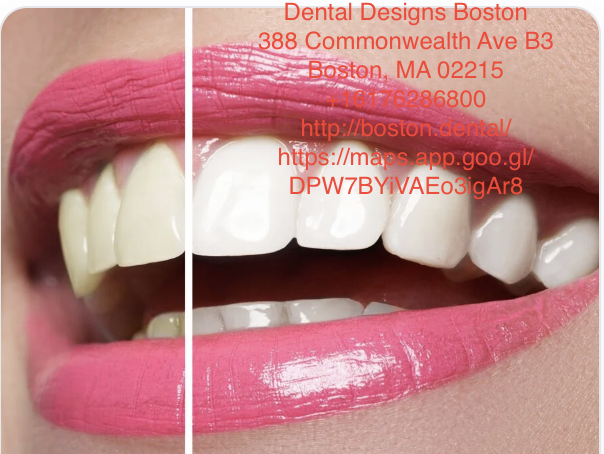
Polishing gets rid of stain, not shade. That coffee color that disappears after a prophy paste is not permanent tooth color, it is surface area stain. Whitening adjustments inherent shade with peroxide, either in-office or with customized trays in the house. If your objective is a brighter smile, request a shade evaluation and plan around upcoming events. An Aesthetic dental professional can combine lightening with repair work like composite bonding for chips or voids. The cleaning sets the stage because a clean surface accepts bleaching much more equally, however the two are various services.
Myth 4: If I comb and floss, I can avoid cleanings
Home treatment and expert treatment enhance each various other. Even excellent brushers miss out on some locations continually. Lots of people have a dominant hand pattern that prefers one side. Crowded lower front teeth, the rear of molars, and the gumline around old reconstructions are common trap areas. Over 6 months, little misses add up. A cleaning resets the standard so your daily routines work as intended.
The various other reason not to skip visits is analysis. Early dental caries and very early periodontal condition are usually pain-free. I have seen patients without grievances who, on examination, had deep pockets behind their reduced molars or decay under an aging crown. Caught early, these problems are simple. Wait long enough and you are going over emergency dental solutions, root canals, extractions, or even oral implants with a periodontist. Preventative treatment is not a guarantee versus issues, yet it changes the chances and the cost.
Myth 5: Hemorrhaging gum tissues imply the hygienist was also rough
Healthy gum tissues do https://www.boston.dental/services not bleed when brushed, flossed, or gently penetrated. Bleeding is the trademark of swelling. If your gum tissues hemorrhage throughout the cleansing, that is feedback concerning the cells, not the medical professional's attitude. The hygienist might explain locations that require a various flossing angle or a modification in brush head dimension. After a comprehensive cleaning and a week or more of consistent home treatment, several clients see bleeding declines to near no. If it does not, that triggers a better search for systemic factors like diabetic issues, smoking cigarettes, or particular medications.
Myth 6: Flossing right before the consultation will certainly trick the dentist
We can tell. Tissue informs the story. Gum tissues that have actually been disregarded for months look puffy and bleed quickly. Floss marks from the evening before do not mimic the tone and appearance of consistently boosted gums. More important, you do not need to excite us. The factor is to companion on a strategy that fits your regimen. If floss is a battle, water flossers and interdental brushes are reasonable options. Great hygienists demonstrate technique in your mouth, not on a version, so you feel what "best" seems like in the rooms you really have.
Myth 7: Cleansings loosen teeth
Teeth do not become loosened due to the fact that tartar is eliminated. When calculus constructs under the gum, it occupies space like a wedge. After it comes off, gums can shrink to their typical position, which can expose wheelchair that was hidden by puffy tissue. That mobility already existed and signifies attachment loss from chronic swelling. The cleansing permits the location to heal and tighten up with time. In advanced situations, a recommendation to a periodontist may be ideal for scaling and origin planing or medical therapy. If a tooth remains mobile, splinting or restorative work might shield it while recovery occurs.
Myth 8: Youngsters do not need specialist cleanings
Kids are not unsusceptible to plaque and tartar. Their diet plan, brushing ability, and orthodontic devices impact threat. A quick polish and fluoride varnish every 6 months sets strong behaviors and minimizes early degeneration. For youngsters in braces, I often recommend more constant check outs due to the fact that brackets produce plaque catches. The visit is likewise a chance to capture respiratory tract issues, mouth breathing, and tongue position problems that affect oral crowding and sleep. A pediatric-friendly dental expert near me noting will certainly typically note habits assistance and desensitization techniques if your kid feels anxious.
What actually happens at a cleaning, action by step
A conventional consultation follows a series, with space to customize. You sign in, evaluation case history, and upgrade medicines. Numerous high blood pressure medicines and antidepressants affect saliva flow, which alters degeneration risk. The hygienist reads the graph with those consider mind.
- Exam and screening: A brief oral cancer testing checks the tongue, floor of mouth, cheeks, and taste. The hygienist notes any abscess, white spots, or crookedness. If you have not had radiographs in a year or two, bitewings are required to view bone level and look for dental caries between teeth. Low-dose digital sensing units make this fast. In Boston, several practices, including Oral Designs Boston, make use of rectangle-shaped collimation to cut scatter radiation also further. Plaque and tartar removal: Ultrasonic scaling loosens up down payments with very little stress. Water watering flushes debris. Hand scalers fine-tune margins and get to slim pockets. Sensitive areas get topical gel initially. If you have oral implants, the medical professional switches over to implant-safe ideas and plastic hand tools. The goal is thoroughness without trauma. Polishing and tarnish monitoring: A rubber cup with a great paste gloss enamel. For heavy stain from tea, coffee, or merlot, air brightening with glycine powder can be gentler and much more effective than gritty paste. It is safe around many restorations and, with calibration, around implants as well. Flossing and interdental cleansing: Last come on between teeth check for harsh edges or capturing points. If floss tears in one place, the hygienist tries to find broken dental fillings or overhanging margins that can trap plaque. Fluoride or desensitizer: Adults with root exposure, regular snacking, or low saliva benefit from a fluoride varnish. Patients with new composite dental fillings or lightening level of sensitivity occasionally choose a desensitizing representative rather. The selection relies on danger, not age alone. Personalized coaching: This is where a few targeted adjustments exceed generic recommendations. You could require a smaller sized brush head, a various bristle pattern, or a water flosser timed for nights. If you have joint inflammation or minimal mastery, electric brushes are worth it. A hygienist who has cleansed hundreds of mouths can match tools to habits in minutes.
Cleanings with special circumstances
Mouths are not one-size-fits-all. A thoughtful strategy accounts for gadgets, products, and clinical history.
Dental implants: Implants do not obtain dental caries, however the surrounding cells can develop peri-implant mucositis or peri-implantitis if plaque continues to be. We stay clear of metal scalers on dental implant abutments and crowns, utilize low-abrasion brightening powders, and focus on home care techniques under the prosthesis. An oral implants periodontist might sign up with treatment if pockets deepen or bone modifications on radiographs. If you observe bleeding around an implant, do not wait for your next recall see. Call your oral center and ask for assessment. Early intervention is decisive here.

Orthodontic home appliances: Repaired braces catch plaque at the brackets and under the wire. Air polishing reduces chair time for heavy stain. Individuals who end up orthodontics with their gums in good shape normally had three or 4 cleansings annually, not two. Clear aligners can catch sugary liquids against enamel. I ask aligner clients to wash and wait a few mins prior to re-seating trays after sweet drinks.
Crowns, bridges, and veneers: Overhangs and open margins welcome plaque. Threaders, soft choices, and water flossers make a distinction. We check for microleakage with an explorer and cold air. If you taste resentment or notification dark lines at the gum, discuss it. Little repair work beat large replacements.
Medical problems: Diabetes, maternity, Sjögren's syndrome, GERD, and medications that dry the mouth raise risk. An alternative dentist Boston clients respect will consider your whole wellness context, not just your teeth. That could include saliva replacements, xylitol lozenges, pH monitoring, and diet plan timing, not simply even more brushing.
How typically must you go
Six months is a typical period since it helps lots of people and insurance adopted it decades back. It is not a legislation. Some mouths require 3 or 4 visits annually, particularly if you have a background of periodontal disease, smoke, wear braces, or have reduced saliva. Others, after years of steady measurements, succeed at 9 to twelve months. Frequency is a professional choice you make with your hygienist and dental expert, not an advantage routine determined by an insurance brochure. If a practice firmly insists everyone fits the exact same interval, ask why.
What to do if you have dental anxiety
Anxiety prevails, and it covers an array. Some clients just need added description and a pause switch signal. Others take advantage of nitrous oxide, a convenience playlist, or desensitization over 2 short visits instead of one lengthy session. A couple of requirement oral sedation prescribed ahead of time. The best setting matters. If you are calling about Boston searching for the most effective dental practitioner in B, MA. for nervous patients, ask how they set up worried novices, whether they welcome a no-cleaning first visit to fulfill the group, and if they supply emergency dentistry for flares that can not wait. A method that manages emergency situation dental solutions smoothly typically has systems and society that assist distressed individuals feel safe.
Cost, insurance policy, and value
A regular adult cleaning with exam and bitewing radiographs varies by region, usually a few hundred dollars. Insurance often covers most preventive treatment two times each year, yet insurance coverage is not the like care. If your mouth requires scaling and root planing in one quadrant, anticipating a fundamental cleansing price sets you up for rubbing. Sincere interaction upfront avoids shocks. If you require gum therapy, request for a roadmap: the number of check outs, what to expect between them, and just how success will certainly be determined. The worth of a precise cleaning shows up in less dental caries, less broken dental fillings, fresher breath, and much less time taking care of oral emergencies.
Red flags and environment-friendly flags in a health visit
A fast method to evaluate quality is to see the small behaviors.
- Green flags: Updated case history and high blood pressure when proper, dental cancer cells testing, gum measurements kept in mind out loud, explanation of instrument options around implants, particular home-care ideas tailored to your mouth, and photos to reveal locations of concern. Red flags: No periodontal measurements for many years in a grown-up mouth, no radiographs in spite of brand-new symptoms, the very same common guidance repeated every check out without context, and hurried scraping that leaves you with sharp ledges or aching, torn tissues.
If you see more red than green, look for a dental practitioner near me with solid hygiene procedures. Read local reviews that state hygienists by name. In a city setup, Dental Designs Boston and various other thorough methods frequently publish their health viewpoint online so you can inform if it matches your expectations.
When a cleansing is not enough
Sometimes the health chair is the triage factor, not the repair. Teeth that hurt to attack, temperature-sensitive for minutes, or broke need a dentist's evaluation the very same day. Swelling, negative preference, and spontaneous evening pain typically show infection. That is when emergency situation dental care comes to be a priority. If your clinic can not see you swiftly, do not think twice to seek emergency situation dental services elsewhere and comply with up later. Timeliness identifies whether a tooth can be saved with a straightforward filling, a crown, or requires root canal treatment. Delays make tiny troubles expensive.
Practical prep and aftercare
Arrive having consumed a light meal and moistened. Skipping coffee for two hours decreases tarnish smearing during polishing. If cool sensitivity is your nemesis, use a potassium nitrate tooth paste for a week before your appointment. Bring a checklist of medications and supplements. Discuss any type of recent oral implants or grafts so the medical professional can adjust tools. After the check out, prevent sticky foods for a couple of hours if you received fluoride varnish. If your hygienist nudged you toward a different flossing angle or a water flosser, set the tool on the counter that evening while the memory is fresh. Practices stick when they are visible and easy.
A note on materials and safety
Patients ask about the grit in brightening paste, the powder in air polishing, and the security of ultrasonic aerosols. Fine-grit prophy paste suffices for the majority of mouths and preserves enamel gloss. Glycine and erythritol powders are mild and reliable for discolor and biofilm, especially near gum tissues and implants. High-volume suction and pre-procedural rinses reduce aerosols. If you favor fewer chemicals, let your hygienist understand. Many all natural dental professional Boston carriers provide low-abrasion pastes, fluoride-free options, and remineralizing agents like nano-hydroxyapatite. The top priority remains the exact same: get rid of toxic irritants, protect tissues, and sustain your lasting oral and systemic health.
The bottom line
Dental cleansings are foreseeable, adjustable, and concentrated on avoidance. They do not cut enamel, they need to not hurt, and they are not an aesthetic upsell camouflaged as treatment. Excellent hygiene sees really feel collaborative. You understand what the clinician is doing, why it matters, and just how to bring the benefits home. If you have implants, braces, veneers, or a history of periodontal issues, the technique modifications somewhat, but the aim coincides: clean, calm tissues and steady support.
If you are overdue, book the consultation. If you are picking a brand-new practice, try to find medical professionals who describe and procedure, not simply polish. In a jampacked market, from a little community dental facility to a comprehensive facility like Dental Designs Boston, the difference receives the health area. That is where trust fund expands, where little problems are captured, and where the misconception that cleanings are something to be afraid ultimately fades.
Dental Designs Boston 388 Commonwealth Ave B3 Boston, MA 02215 +16176286800 http://boston.dental/ https://maps.app.goo.gl/DPW7BYiVAEo3igAr8